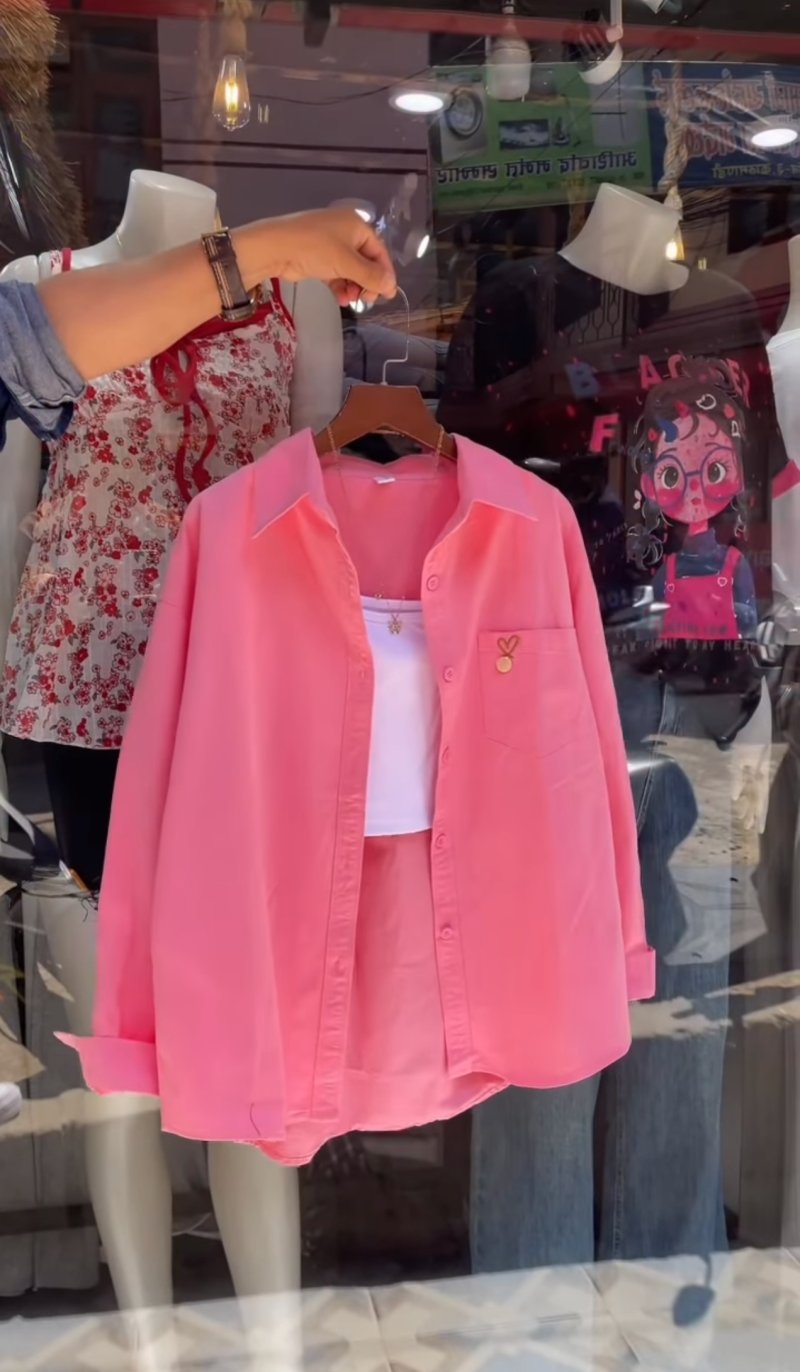
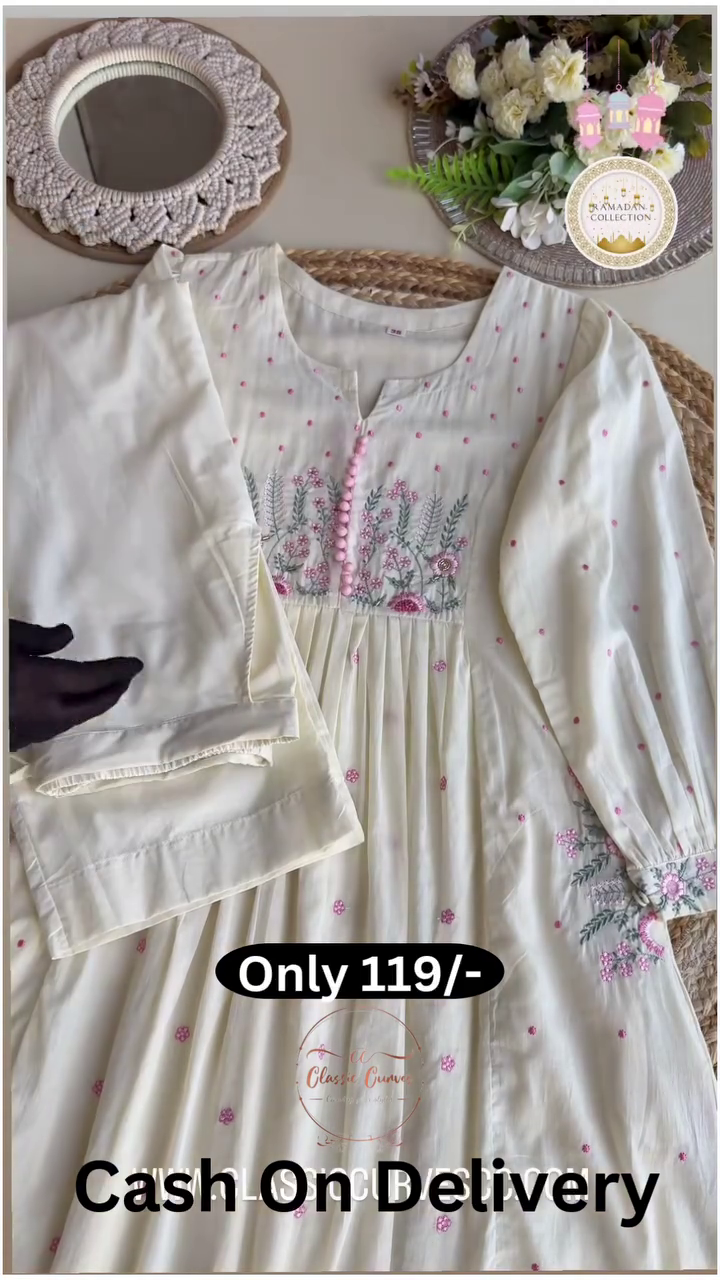
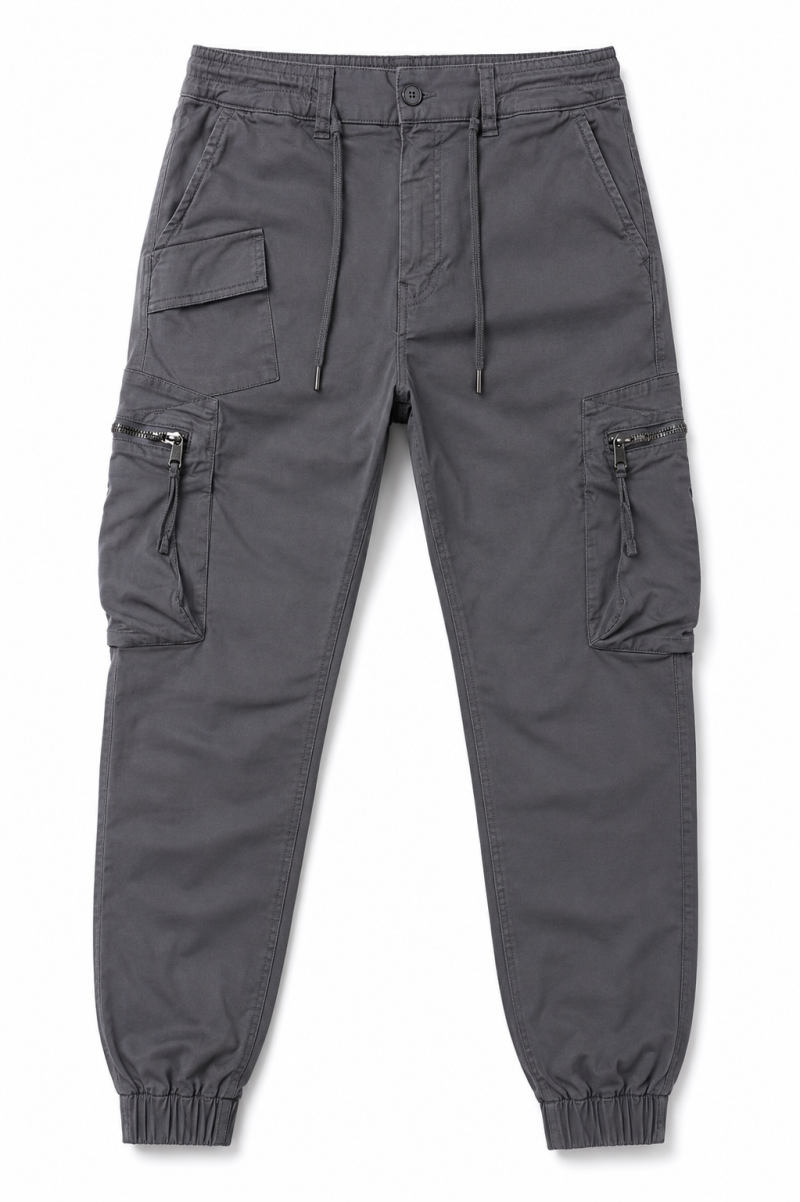
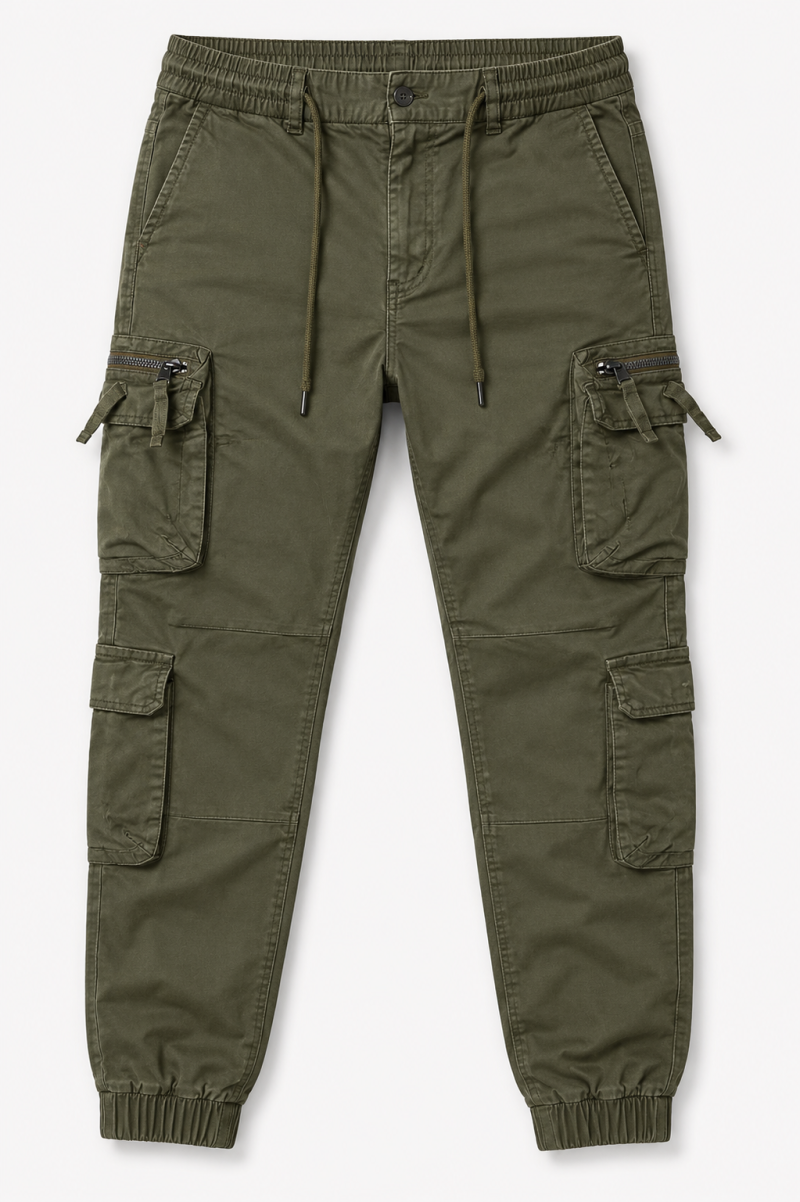
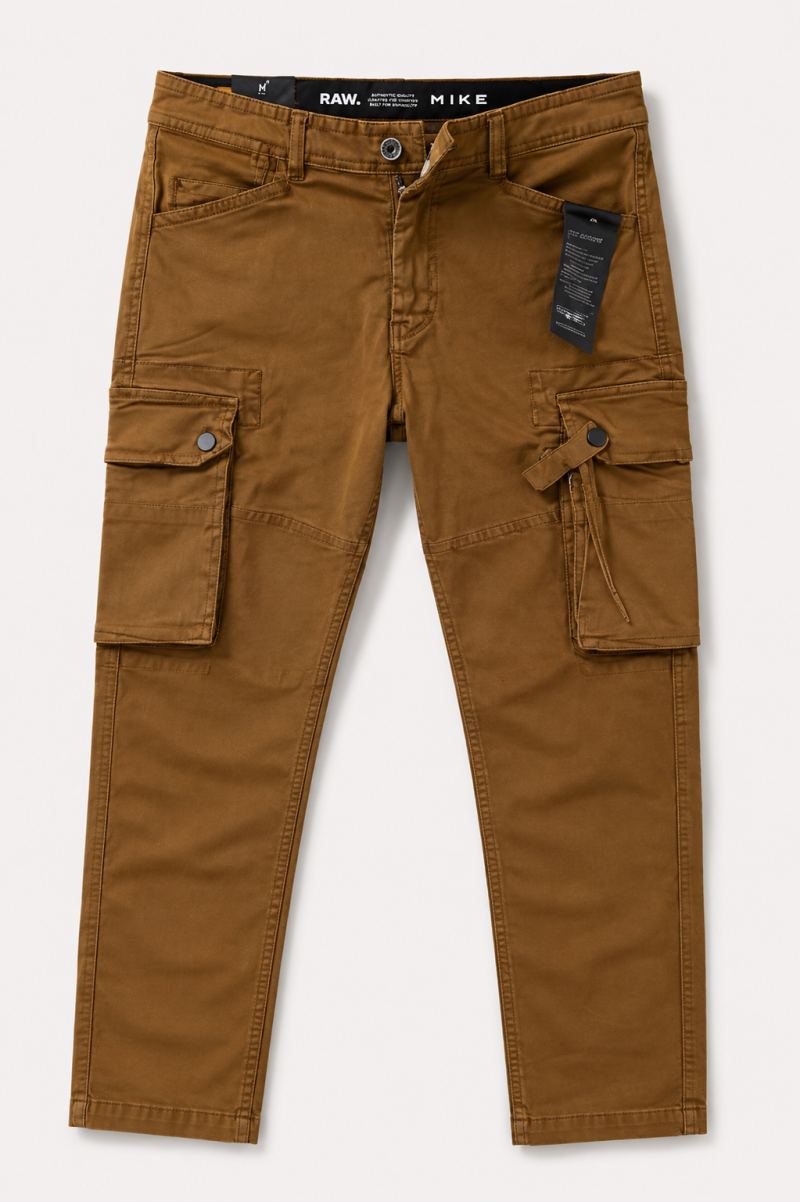
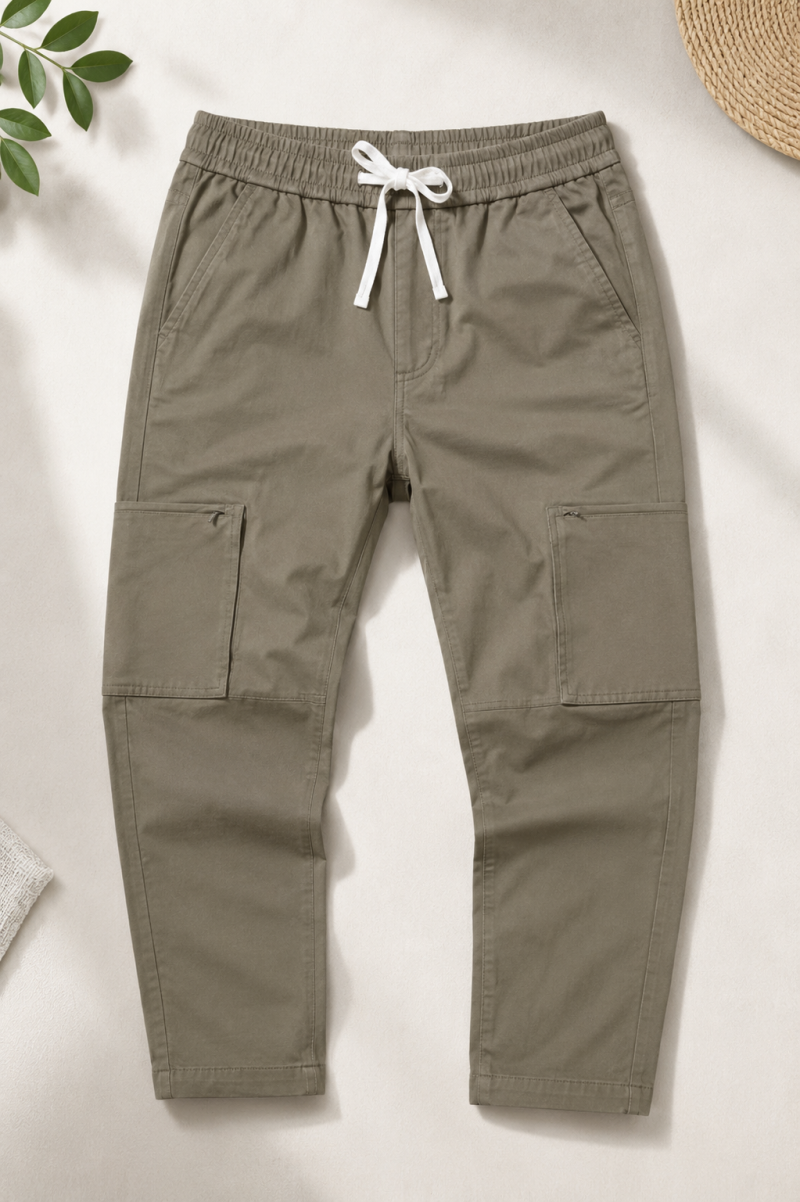
Finding the right clothing that flatters your body shape is one of the most important aspects of developing a confident personal style. Whether you're male or female, understanding your body structure and learning how to dress accordingly can transform the way you look and feel about yourself. This comprehensive guide to choosing the right clothes for male and female according to body structure will help you navigate the world of fashion with expertise and confidence, ensuring that every piece you wear complements your natural form perfectly.
Understanding Body Types: The Foundation of Smart Dressing
Before diving into specific clothing recommendations, it's crucial to understand that body diversity is beautiful and normal. Every person has a unique body structure, and the key to dressing well is recognizing your specific shape and selecting garments that enhance your best features. The process of choosing clothes according to body structure isn't about hiding or changing who you are—it's about celebrating your physique through thoughtful fashion choices.
The concept of dressing according to body structure has been used by fashion experts for decades. Professional stylists, fashion designers, and wardrobe consultants all emphasize that understanding your body type is the first step toward building a functional, flattering wardrobe. This approach saves time, money, and eliminates the frustration of purchasing clothes that don't work for your frame.
Female Body Shapes and Clothing Solutions
The Hourglass Figure
Women with an hourglass body structure have well-proportioned curves with balanced shoulders and hips, with a defined waist. When choosing clothes for an hourglass figure, the goal is to maintain and highlight these natural proportions.
- Best clothing choices: Fitted dresses, wrap dresses, and belted styles that emphasize the waist are ideal for hourglass figures. Tailored blazers, fitted jeans, and form-fitting tops showcase your curves beautifully.
- Necklines to embrace: V-necks, sweetheart necklines, and scoop necks draw attention to the chest and elongate the torso.
- Patterns and textures: You can confidently wear bold patterns, horizontal stripes, and textured fabrics as they complement the balanced proportions of your body structure.
- Fabrics to choose: Stretchy, form-fitting materials that move with your body, such as jersey knit, spandex blends, and fitted cotton.
The Pear-Shaped Body
Women with a pear-shaped body structure carry more weight in the hips, thighs, and lower body, with narrower shoulders. When selecting clothes for this body type, the strategy is to balance the proportions by drawing attention upward.
- Flattering tops: Bright colors, bold patterns, and interesting details in tops help draw the eye upward. Consider statement necklaces, ruffles, and embellishments on your upper body.
- Bottom recommendations: A-line skirts, wide-leg pants, and darker-colored bottoms help balance your proportions without clinging to the hips. Avoid skinny jeans and tight leggings that emphasize the lower body.
- Structured garments: Jackets, blazers, and structured tops create definition at the shoulders, making them appear broader and more balanced with your hips.
- Layering techniques: Layering with cardigans and open jackets over your torso creates visual width where you need it most.
The Apple-Shaped Body
Apple-shaped body structures carry weight primarily in the midsection and chest area, with slimmer legs and hips. The approach to dressing an apple shape is to create balance by emphasizing the lower body and minimizing the midsection.
- Strategic layering: Long cardigans, tunics, and flowing shirts worn over the midsection provide coverage while creating a sleek silhouette.
- Emphasize the legs: Fitted pants, leggings, and skirts that showcase your legs draw attention downward and create better visual balance.
- Neckline options: V-necks and scoop necks help elongate the torso and draw the eye downward, away from the chest and midsection.
- Fabric selection: Structured fabrics for tops and flowing materials for bottoms create the desired balance in your overall silhouette.
The Rectangle Body Shape
Rectangle-shaped body structures have balanced proportions with similar widths at the shoulders, waist, and hips. The goal when choosing clothes for this body type is to create the illusion of curves and definition.
- Creating curves: Peplum tops, ruffles, and ruching add volume and create the appearance of curves. Belted dresses and jackets define the waist beautifully.
- Patterns and prints: Horizontal stripes, bold patterns, and colorblock designs create the illusion of volume and dimension.
- Fabric choices: Textured fabrics, pleats, and gathered materials add dimension to your frame.
- Fitted silhouettes: Tailored pieces that follow your body's natural lines are excellent for rectangle shapes, especially when paired with statement belts.
The Inverted Triangle Shape
Inverted triangle body structures are characterized by broader shoulders and bust with narrower hips and legs. When dressing this shape, balance is achieved by creating visual weight in the lower body.
- Top selection: Simple, neutral-colored tops or vertical stripes help minimize the upper body. Avoid embellishments, large patterns, and bulky fabrics in this area.
- Bottom emphasis: Bright colors, patterns, ruffles, and textured fabrics in skirts and pants draw attention to and emphasize the lower body.
- Necklines: Higher necklines and crew necks help minimize a broad chest area.
- Bottoms to choose: Flared pants, A-line skirts, and pants with details like pleats or embroidery at the hips create balance.
Male Body Types and Optimal Clothing Selections
The Athletic Build
Men with athletic body structures have well-developed muscles, broad shoulders, and a naturally lean physique. When choosing clothes according to body structure for athletic men, the goal is to showcase these natural advantages while maintaining a polished appearance.
- Fitted clothing: Well-fitted t-shirts, polo shirts, and dress shirts that follow the contours of your muscular frame are ideal. Proper fit means the shirt hugs your shoulders and chest without being overly tight.
- Shirt styles: Button-up shirts with structured fabrics emphasize your shoulders and chest. Vertical seams and darts add definition.
- Bottoms: Tailored trousers, well-fitted jeans, and chinos that complement your leg shape without being baggy or overly slim.
- Layering: Jackets, sweaters, and blazers in fitted cuts enhance your shoulders and create a professional appearance.
The Heavier Build
Men with a larger or heavier body structure benefit from strategic clothing choices that create a streamlined, flattering appearance while ensuring comfort and confidence.
- Fabric selection: Choose structured fabrics that provide support and smooth lines. Avoid clingy or transparent materials that highlight areas you want to minimize.
- Fit and proportion: Clothing should be well-fitted but not tight. A size too large will make you appear larger, while overly tight clothing creates unflattering silhouettes. Finding the right fit is crucial when choosing clothes according to body structure.
- Vertical elements: Vertical stripes, open cardigans, and front-buttoned shirts create an elongating effect.
- Color choices: Dark, neutral colors are slimming and versatile. Avoid large, bold patterns that draw attention to problem areas.
- Layering options: Well-fitted cardigans, blazers, and jackets create structure and definition.
The Slim or Lean Build
Men with a slim or lean body structure often want to create the appearance of more volume and definition. Strategic clothing choices can accomplish this goal effectively.
- Building dimension: Textured fabrics, patterns, and horizontal stripes create the illusion of width and volume. Cable knit sweaters and chunky cardigans add substance to your frame.
- Layering: Layering different pieces helps create a fuller silhouette. Wear t-shirts under open shirts or combine sweaters with jackets.
- Fit considerations: Avoid overly slim or tapered clothing that can make you appear even leaner. Regular to slightly relaxed fits work better for this body structure.
- Bold patterns: You can confidently wear bold prints, patterns, and textured materials that add visual interest and dimension.
- Fabric weights: Heavier fabrics like wool, denim, and corduroy create more volume than thin, lightweight materials.
The Tall Build
Tall men have the advantage of being able to wear many styles, but certain choices enhance their natural height in flattering ways.
- Proportional sizing: Look for extended or tall-size clothing that provides proper proportions. Regular-length shirts may be too short, affecting the overall appearance.
- Horizontal elements: Horizontal stripes, color blocks, and patterns help break up height and create visual balance.
- Layering: Strategic layering helps create visual breaks in your silhouette.
- Cuffing techniques: Properly cuffed pants ensure the correct break at the ankle, which is essential for tall men.
The Shorter Build
Men with a shorter stature benefit from clothing choices that create the illusion of length and proportion.
- Vertical elements: Vertical stripes, open cardigans, and long jackets create an elongating effect.
- Proportional fit: Properly fitted clothing that doesn't overwhelm your frame is essential. Oversized clothing will make you appear smaller.
- Monochromatic dressing: Wearing similar colors from top to bottom creates a continuous line that elongates your silhouette.
- Shoe selection: Properly fitted shoes in neutral colors or coordinating with your outfit enhance proportions.
- Cuff length: Ensure pants break properly at the ankle—slightly shorter is better than baggy or dragging.
Universal Principles for Choosing Clothes According to Body Structure
The Importance of Proper Fit
Fit is the foundation of flattering clothing for all body types. No matter your gender or body structure, garments that fit properly will always look better than perfectly on-trend pieces that don't fit correctly. Well-fitting clothes:
- Skim your body without clinging or sagging
- Align with your natural lines and proportions
- Allow for comfortable movement and flexibility
- Enhance your best features while minimizing those you're less confident about
- Create a polished, intentional appearance
Color Psychology and Body Structure
Color plays a significant role in how clothing flatters different body structures. Understanding color theory helps when choosing clothes:
- Dark colors are slimming and receding, making areas appear smaller.
- Light colors are expanding and advancing, drawing attention and creating the illusion of volume.
- Neutrals like black, navy, gray, and white are versatile foundations that work with any body structure.
- Warm tones create vitality and energy, while cool tones are calming and sophisticated.
- Strategic color placement can balance proportions—for example, wearing dark colors where you want to minimize and bright colors where you want to draw attention.
Pattern and Texture Considerations
Patterns and textures significantly impact how clothing flatters your body structure. When choosing clothes, consider:
- Small patterns are generally more slimming, while large patterns can be overwhelming on smaller frames.
- Vertical stripes create an elongating effect, while horizontal stripes add width.
- Textured fabrics add dimension and visual interest, particularly beneficial for those with simpler body structures.
- Solid colors create clean lines and are versatile for any body type.
- Color blocking can create visual balance by strategically placing colors to enhance proportions.
Practical Tips for Building a Flattering Wardrobe
Assess Your Body Structure Accurately
Before you begin shopping, take time to honestly assess your body structure. Stand in front of a mirror and note where you carry weight, your natural proportions, and the features you want to emphasize. Many people find it helpful to take front, side, and back photos to get a complete picture of their body shape.
Invest in Quality Basics
Build your wardrobe foundation with well-fitting basics in neutral colors. These pieces serve as the foundation for countless outfits and should be selected with your body structure in mind. Quality basics include:
- Well-fitting white t-shirts
- Neutral-colored bottoms (black, navy, gray, khaki)
- Classic white button-up shirts
- Fitted cardigans and sweaters
- Properly fitting jeans
Get Alterations Done
One of the most transformative steps in dressing according to body structure is having garments tailored. A skilled tailor can adjust inseams, take in waists, adjust shoulder seams, and make countless modifications that ensure your clothes fit your unique body perfectly.
Understand Necklines and Their Impact
Different necklines flatter different body structures. When choosing clothes:
- V-necks elongate the neck and torso, flattering many body types.
- Crew necks are classic and work well for most shapes when properly fitted.
- Scoop necks draw attention to the chest and collarbone area.
- Boat necks broaden the shoulders, ideal for inverted triangle shapes.
- Turtlenecks work best on those with longer necks and narrower faces.
- Wrap necklines define the waist and flatter most body structures.
Pay Attention to Sleeve Length and Style
Sleeves dramatically impact how clothing flatters your body structure. Consider:
- Short sleeves work well for those with toned arms and longer torsos.
- Three-quarter sleeves are universally flattering and elongate the arms.
- Long sleeves provide coverage and can be rolled up for versatility.
- Fitted sleeves emphasize arm definition, while loose sleeves provide coverage.
- Cap sleeves broaden the shoulders, beneficial for pear and rectangle shapes.
Shopping Strategies Based on Body Structure
Know Your Measurements
Having accurate measurements is essential when choosing clothes, especially when shopping online. Measure your bust, waist, hips, inseam, and sleeve length. Many retailers provide detailed size charts—use them! Understanding how your measurements correspond to standard sizing helps you make better purchasing decisions across different brands.
Try Everything On
Even when you're certain about your size, try items on. Bodies vary, and different brands cut clothes differently. When trying on clothes, move around—raise your arms, sit down, bend over—to ensure the garment works with your body structure in real-life situations.
Check Mirrors from Multiple Angles
Most retail dressing rooms have mirrors on multiple walls. Use them! Check how clothing looks from the front, back, and sides. This comprehensive view helps you assess whether a garment truly flatters your body structure.
Consider Your Lifestyle
When choosing clothes according to body structure, also consider your daily activities. Office workers may need more structured, professional pieces, while those with active lifestyles benefit from comfortable, flexible clothing that still flatters their body shape.
Common Mistakes to Avoid When Choosing Clothes
Understanding what not to do is just as important as knowing what to do when choosing clothes according to body structure.
- Ignoring fit in favor of size: Wearing the "correct" size that doesn't fit properly looks worse than wearing a size that works for your body.
- Following trends blindly: Not every trend works for every body structure. Choose trends that complement your shape.
- Dressing too tight: Overly tight clothing creates unflattering silhouettes and is uncomfortable. Well-fitted clothing should allow for movement.
- Dressing too loose: Excessively loose clothing often hides your shape unflattering and can actually make you appear larger.
- Neglecting proportions: Balance is key. Don't pair voluminous tops with voluminous bottoms if you want a balanced silhouette.
- Ignoring personal style: While dressing for your body structure is important, your personal style and comfort matter too. Find the balance between flattering your shape and wearing what makes you feel confident.
- Not considering fabric quality: High-quality fabrics drape better and create more flattering silhouettes than cheap, thin materials.
Advanced Techniques for Dressing Your Body Structure
Ruching and Gathering
Ruching and gathering are advanced techniques that can be used to strategically minimize or add dimension to different areas. These details:
- Can hide problem areas while maintaining style
- Add texture and visual interest
- Create dimension for smaller frames
- Provide coverage without excessive volume
Strategic Layering
Layering is one of the most versatile techniques for flattering any body structure. Strategic layering:
- Creates visual interest and dimension
- Allows you to control coverage and proportion
- Provides flexibility for different seasons and settings
- Can transform a basic outfit into something more sophisticated.