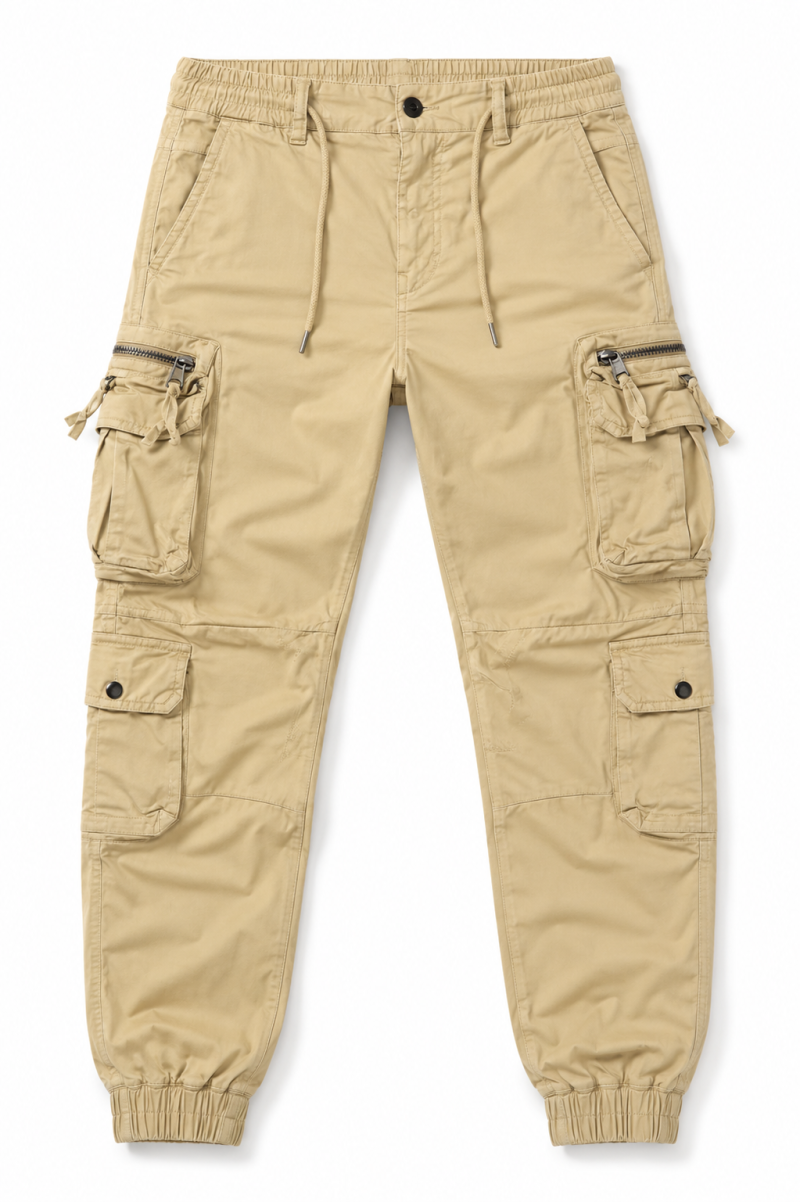
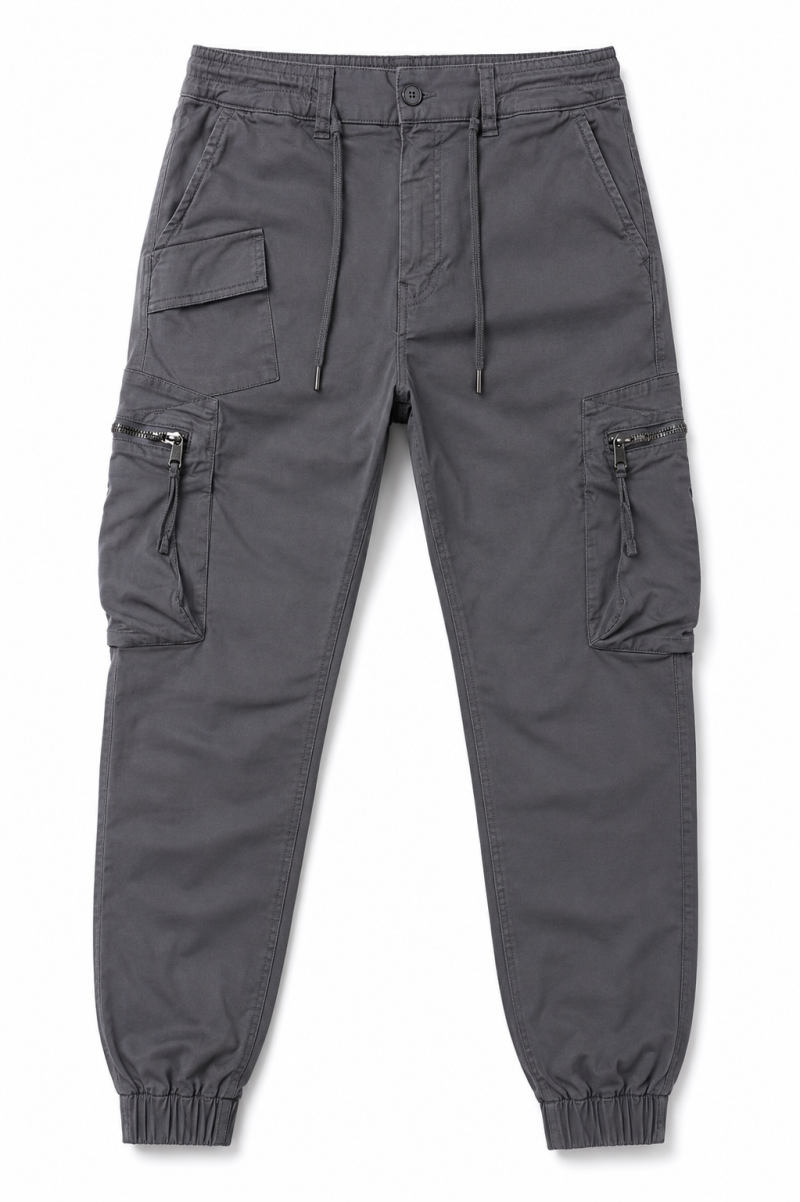
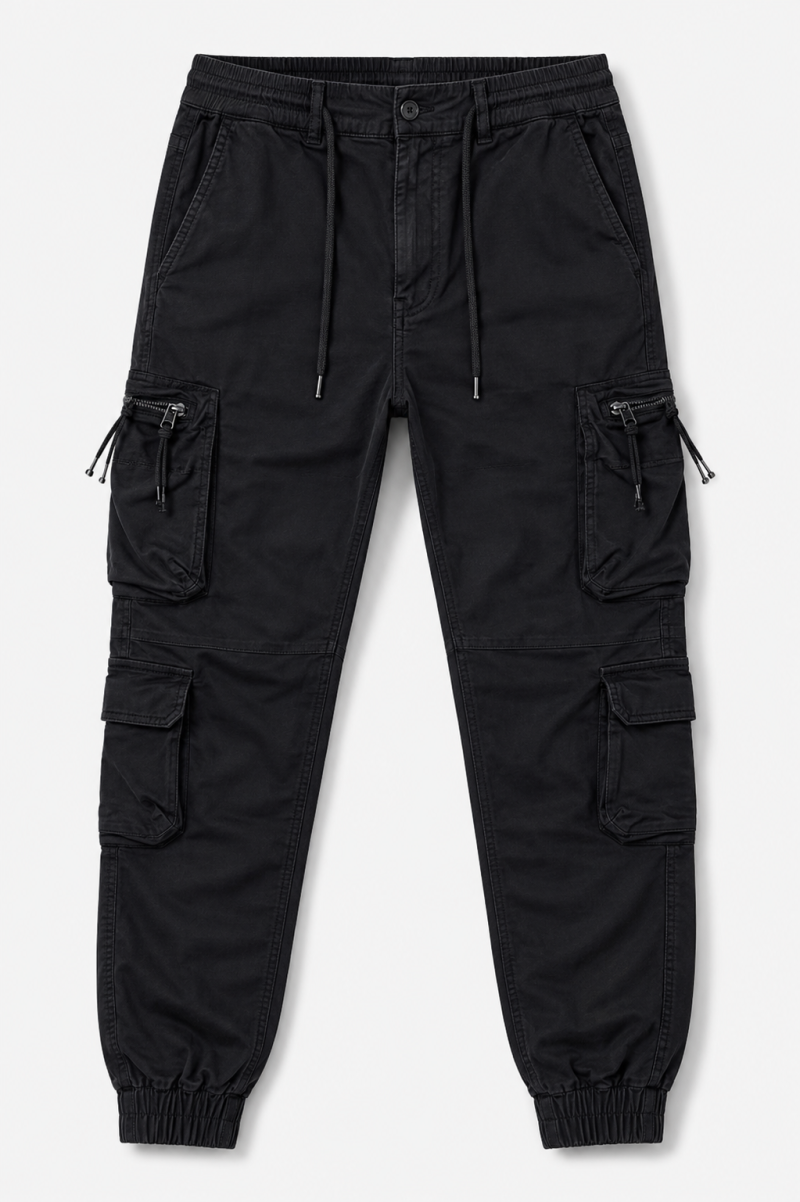
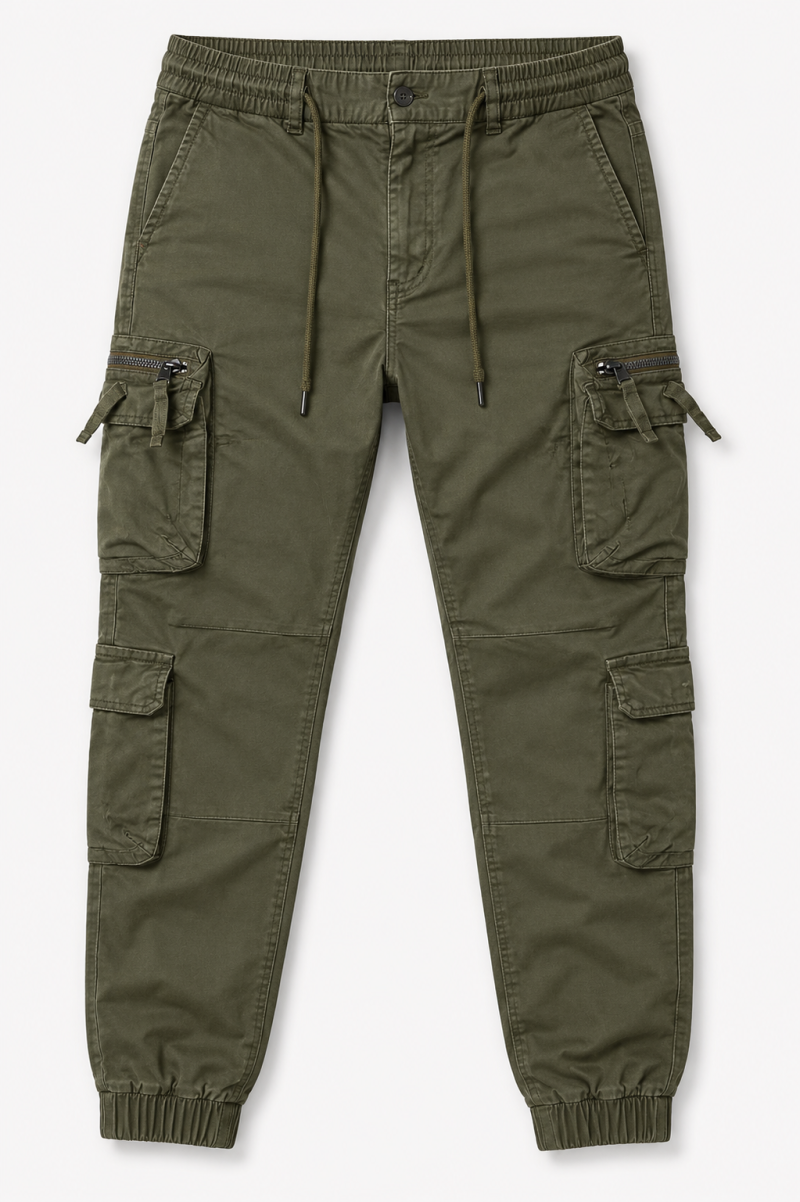
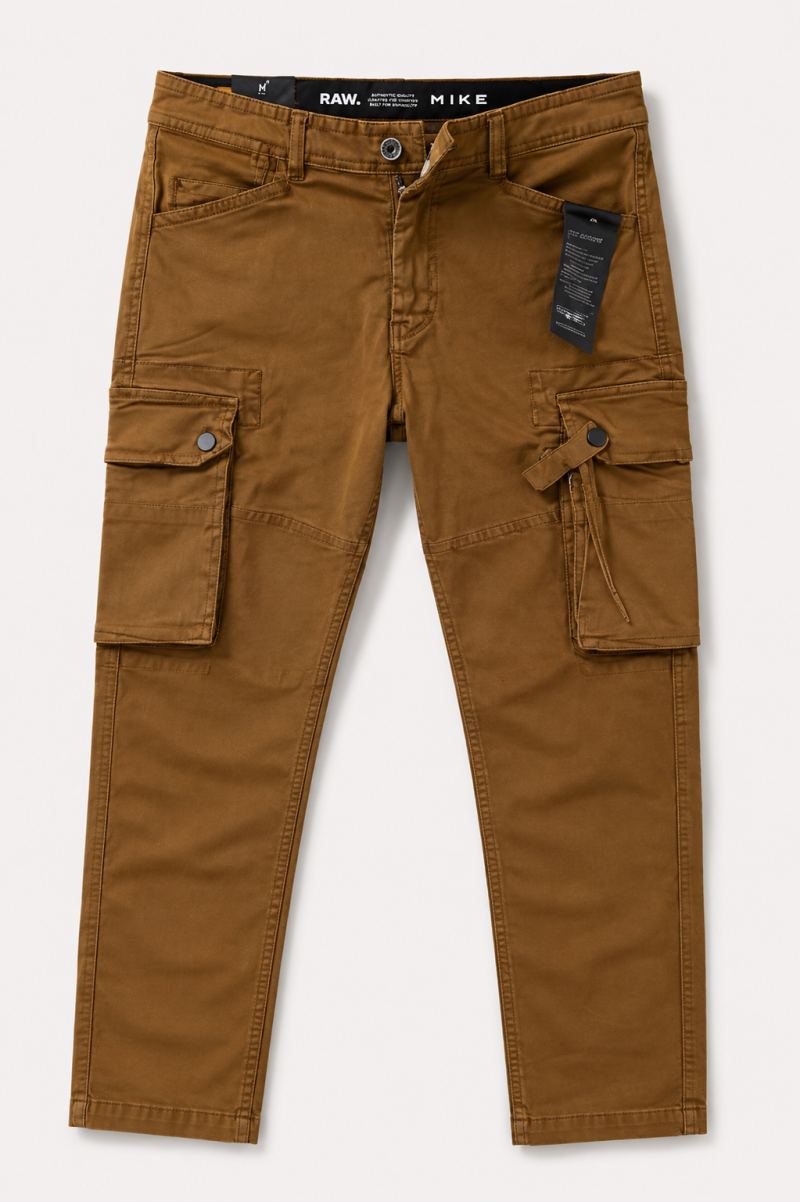
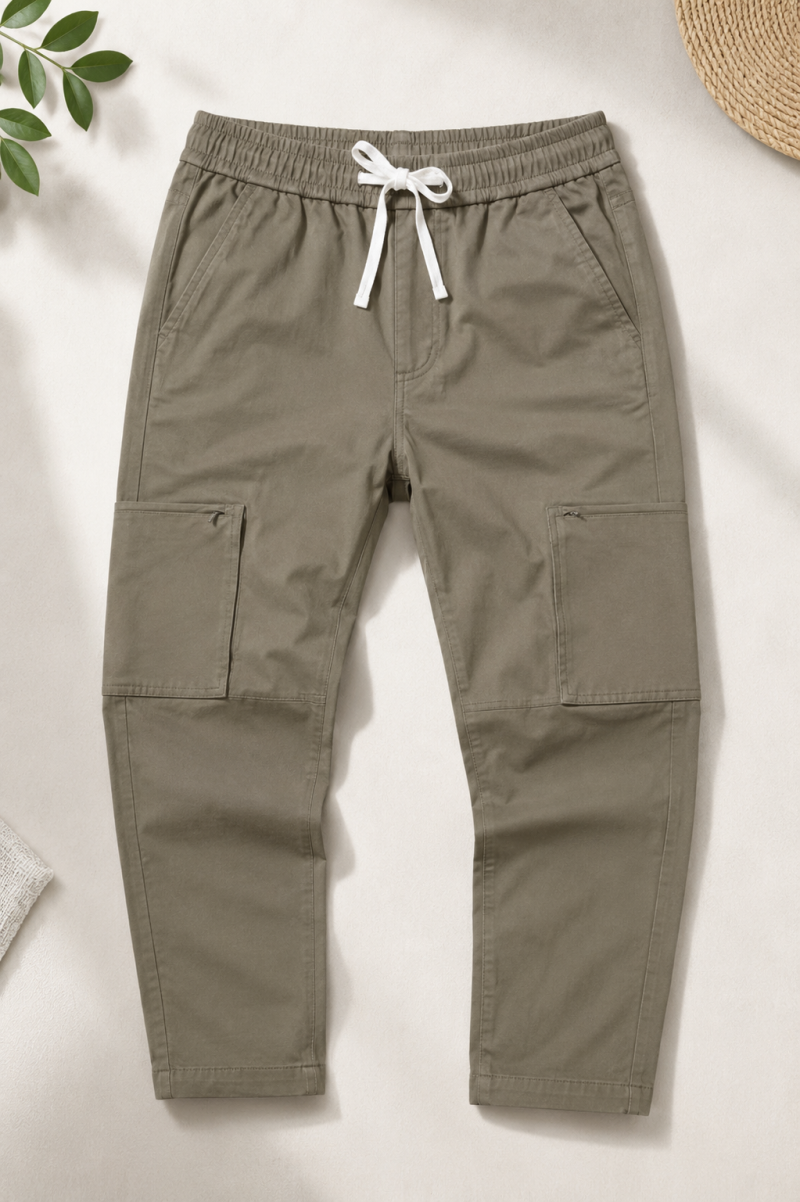
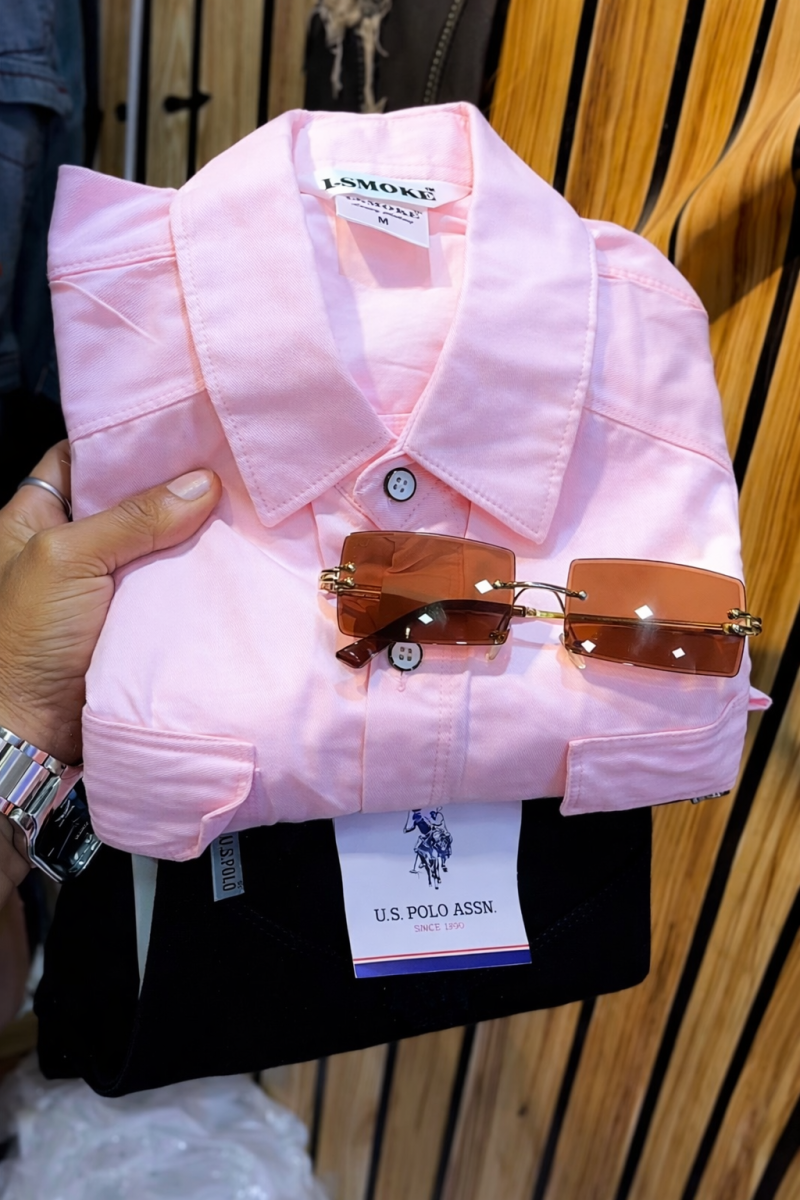
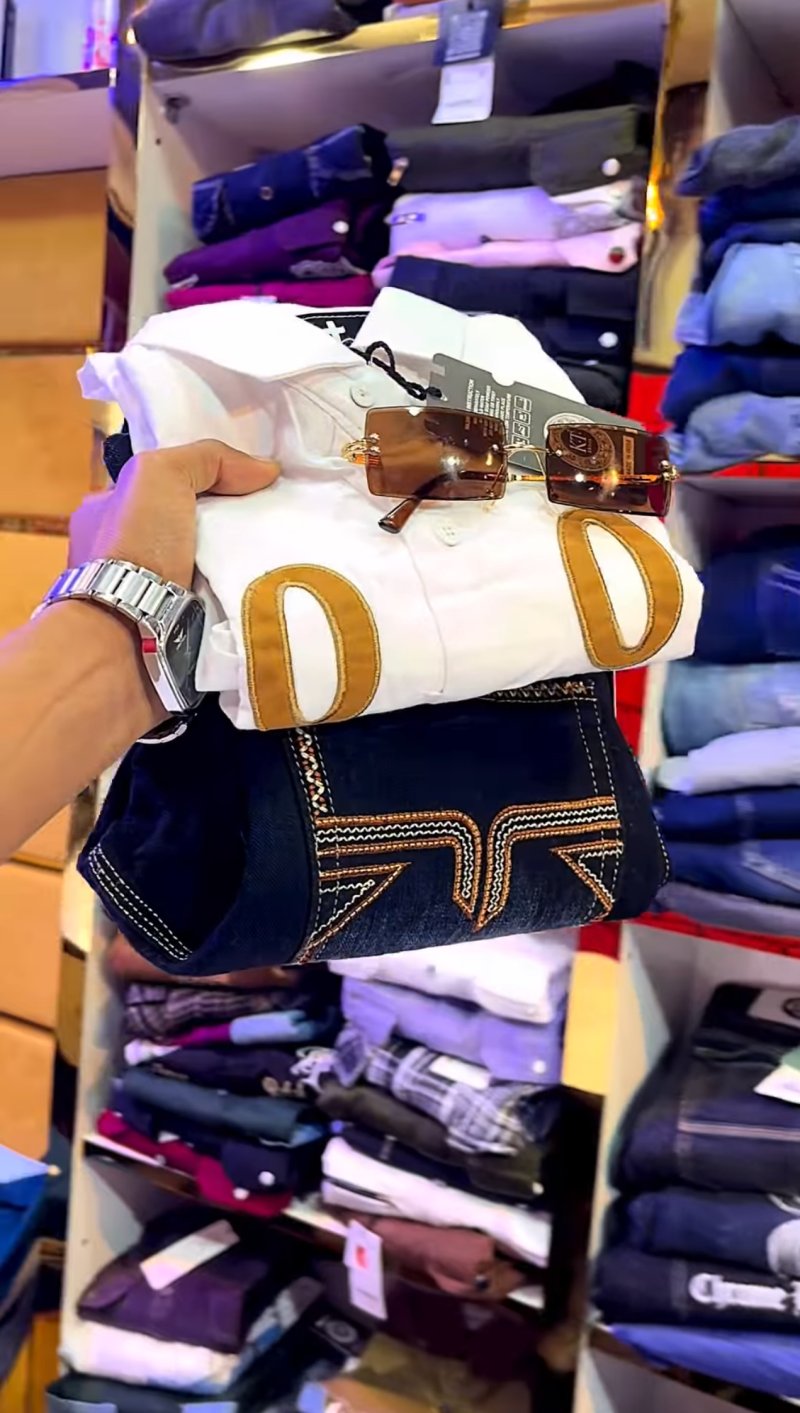
Finding the perfect pair of men's pants can be more challenging than many realize. While most men focus solely on comfort and fit, there are several crucial factors that determine whether a pair of pants truly complements your physique and personal style. The right men's pants selection goes far beyond grabbing the first pair you see on the shelf. Understanding how to choose the best men's pants according to body type and shirt color is an essential skill that can elevate your entire wardrobe and boost your confidence.
Whether you're shopping for casual wear, business attire, or weekend outings, this comprehensive guide will walk you through everything you need to know about selecting pants that flatter your body shape and coordinate perfectly with your favorite shirts. By the end of this article, you'll have the expertise to make informed decisions about your men's pants purchases, ensuring you invest in pieces that truly work for you.
Understanding Your Body Type: The Foundation of Choosing Men's Pants
Before diving into color coordination or specific styles, it's essential to understand your body type. Different body types require different pant styles to create a balanced, flattering silhouette. Men typically fall into several body categories, and recognizing yours is the first step toward choosing the best men's pants.
The Athletic Build
Men with athletic builds have well-developed shoulders, a trim waist, and proportionate legs. If you fall into this category, you have the advantage of wearing most pant styles successfully. Straight-leg pants, slim-fit options, and tapered designs all work well for athletic frames. However, consider opting for pants with a slight taper at the ankles to emphasize your leg definition. Avoid baggy or overly loose cuts that can drown your physique.
The Stocky Build
Men with stockier builds often have broader shoulders, a thicker midsection, and shorter legs proportionally. When choosing the best men's pants for a stocky body type, prioritize straight-leg or slightly tapered cuts. Avoid skinny jeans or extremely tight fits that can emphasize midsection concerns. Vertical stripes or patterns can create an elongating effect, making your legs appear longer. Additionally, pants with vertical pockets and minimal horizontal details work better for this body type.
The Lean Build
Lean-framed men often have narrower shoulders, a slender waist, and thinner legs. For this body type, relaxed-fit or bootcut men's pants create better proportions by adding volume where needed. Slightly fuller cuts prevent your frame from looking overwhelmed by the pants. Horizontal patterns and lighter colors can add visual weight and create a more balanced appearance.
The Tall Build
Taller men should focus on pants with appropriate inseam measurements—never settle for pants that are too short. Straight-leg or slightly tapered men's pants work well for tall frames. Longer jackets and shirts complement tall builds, so ensure your pants fit properly in length. Horizontal stripes or broader patterns can help break up the vertical lines of a taller frame.
The Shorter Build
Men of shorter stature benefit from pants that create vertical lines and elongate the legs. Tapered or slim-fit men's pants work particularly well for shorter builds, creating a streamlined appearance. Monochromatic dressing (wearing the same color family from shirt to pants) elongates the frame. Avoid overly long pants that bunch at the ankles, as this shortens the appearance of your legs.
Matching Shirt Colors: The Complete Color Guide
Once you've identified your body type and selected an appropriate pant style, the next crucial step is coordinating your men's pants with your shirt colors. Color harmony is fundamental to creating polished, professional, and stylish outfits.
Light Blue Shirts
Light blue shirts offer tremendous versatility in pant coordination. When choosing men's pants to pair with light blue shirts, consider navy blue trousers for a classic, professional look. Charcoal gray pants create a sophisticated contrast, while khaki or tan options provide a casual, approachable appearance. Even white pants work for summer or casual occasions when paired with a light blue shirt.
Dark Blue or Navy Shirts
Dark blue and navy shirts require more careful pant selection. The best men's pants to wear with dark blue shirts include gray, black, or very dark charcoal options. These create sufficient contrast without clashing. Light khaki can work in casual settings, but avoid pairing navy shirts with navy pants unless you're going for a monochromatic, fashion-forward look that requires careful styling.
White Shirts
White shirts are perhaps the most versatile, making choosing men's pants to complement white shirts straightforward. Navy, charcoal gray, black, khaki, and even light gray all pair beautifully with white tops. This combination offers endless possibilities for both casual and formal settings. White shirts are an excellent foundation for experimenting with various pant colors and styles.
Gray Shirts
Men's pants options for gray shirts are numerous and forgiving. Navy pants create professional contrast, black pants offer a sleek appearance, and khaki or tan provide casual appeal. Gray pants create a monochromatic look that can appear sophisticated when properly styled. Even burgundy or olive pants can work with gray shirts in more fashion-forward combinations.
Black Shirts
Black shirts pair best with neutral, bold pants colors. When selecting men's pants for black shirts, opt for charcoal gray, dark navy, or black itself. These combinations maintain a cohesive, professional appearance. Avoid light or pastel pant colors with black shirts, as the contrast can appear jarring and unbalanced.
Burgundy or Wine-Colored Shirts
Burgundy and wine-toned shirts offer a chance to experiment while maintaining elegance. The best men's pants choices for burgundy shirts include navy, charcoal gray, or black options. These darker neutral pants prevent the outfit from becoming too bold. For a more adventurous look, deep olive or forest green pants can complement burgundy beautifully.
Brown or Tan Shirts
Men's pants coordination with brown or tan shirts should focus on complementary earth tones. Navy blue provides excellent contrast, while khaki or tan creates a monochromatic, cohesive look. Charcoal gray also works well, offering a sophisticated balance between the warmth of brown tones and cool gray undertones.
Patterned or Checkered Shirts
When wearing patterned or checkered shirts, choosing men's pants becomes about balancing visual weight. Solid-colored pants in neutral tones like navy, gray, or khaki prevent your outfit from becoming too busy. Avoid pairing patterned shirts with patterned pants unless you're confident in coordinating multiple patterns. The general rule is to let the shirt be the statement piece and keep pants simple.
Fabric and Material Considerations
Understanding fabric types is equally important when selecting the best men's pants for your needs. Different materials offer various benefits and work better in different contexts.
Cotton and Cotton Blends
Cotton remains a popular choice for men's pants due to its breathability and comfort. Cotton-based men's pants work well for casual settings and warm weather conditions. Cotton blends often incorporate elastane or polyester for improved durability and stretch, making them ideal for everyday wear.
Wool
Wool men's pants offer superior structure and sophistication, making them perfect for business casual and formal settings. Wool resists wrinkling and maintains its shape throughout the day. While traditionally associated with cooler months, modern wool blends work in various seasons.
Synthetic Blends
Polyester and nylon blends in men's pants provide durability, wrinkle resistance, and easy care. These materials are excellent for men's pants that require frequent washing without losing shape or color. They're particularly popular in casual and performance-oriented pants.
Fit and Silhouette Styles Explained
Beyond body type and color coordination, understanding different silhouette styles helps in choosing the best men's pants that suit your lifestyle.
Slim-Fit Pants
Slim-fit men's pants taper from the thigh to the ankle, creating a modern, streamlined appearance. This style flatters athletic and lean builds while being less forgiving for stockier frames. Slim-fit men's pants work well for contemporary fashion-conscious individuals seeking a fitted silhouette.
Straight-Leg Pants
Straight-leg men's pants maintain consistent width from hip to ankle, offering versatility across body types. This classic style suits most occasions and body shapes, making it an excellent investment piece. Straight-leg pants accommodate various shirt colors and styling options with ease.
Relaxed-Fit Pants
Relaxed-fit men's pants provide comfort through looser cuts in the hip and thigh areas. These pants are ideal for casual settings and men seeking maximum comfort without sacrificing style. They work particularly well for lean builds and casual occasions.
Bootcut Pants
Bootcut men's pants are tapered through the thigh but slightly flare at the ankle, traditionally designed to fit over boots. Bootcut style works well with various body types and offers a versatile aesthetic suitable for both casual and business casual environments.
Tapered Pants
Tapered men's pants gradually narrow from hip to ankle, creating a contemporary silhouette that emphasizes leg shape. This style suits athletic and lean builds particularly well, offering a modern alternative to straight-leg options.
Color Undertones and Skin Tone Considerations
While many focus exclusively on shirt and pants color matching, considering your skin tone can enhance overall appearance. Men's pants selection becomes more nuanced when accounting for personal color undertones.
Cool Undertones
Men with cool undertones (blue, pink, or red in skin) benefit from cool-toned pants like navy, charcoal, or black. These men's pants colors harmonize with cool skin undertones, creating a naturally cohesive appearance that doesn't require extensive styling thought.
Warm Undertones
Men with warm undertones (yellow, golden, or olive in skin) look better in warm-toned pants like khaki, tan, olive, or warmer grays. Warm-toned men's pants complement warm skin undertones naturally, reducing the need for complex color theory application.
Neutral Undertones
Men with neutral undertones can wear virtually any pant color successfully. The flexibility in choosing men's pants for neutral undertones means you can focus primarily on shirt coordination without worrying extensively about skin tone harmony.
Professional vs. Casual Pant Selection
The context of where you'll wear your men's pants significantly impacts selection decisions.
Business Professional
In professional settings, choosing men's pants means prioritizing classic colors like navy, charcoal, black, and gray. Fabric should be primarily wool or high-quality wool blends. Fit should be clean and polished without being overly trendy. Stick with solid colors and avoid patterns unless your workplace culture explicitly permits them.
Business Casual
Business casual men's pants allow more flexibility than fully professional settings. You can incorporate khaki, lighter grays, and even subtle patterns. However, maintain a polished appearance and ensure proper fit and tailoring. The goal is looking professional while appearing approachable.
Casual Wear
Casual settings permit the most freedom in selecting men's pants with various colors, patterns, and styles. Denim, relaxed-fit options, and lighter colors all work well. The emphasis shifts from formality to comfort and personal expression while maintaining a neat appearance.
Practical Tips for Making Your Final Decision
When you're ready to purchase new men's pants, keep these practical considerations in mind:
- Always try pants on – Sizes vary significantly between brands, and trying on ensures proper fit across your specific body type.
- Check the inseam length carefully – Proper length is crucial for looking polished. Pants should reach the top of your shoe without bunching or dragging.
- Test the rise and waist fit – The waistband should sit comfortably without pulling or gapping, and rising shouldn't restrict movement.
- Consider the occasion – Think about where you'll actually wear these pants before purchasing.
- Coordinate with existing shirts – Mentally pair new pants with shirts already in your wardrobe to ensure versatility.
- Invest in quality basics – Navy, charcoal, and khaki neutral pants should be higher-quality pieces worn frequently.
- Get professional tailoring if needed – A skilled tailor can adjust fit, length, and hem to perfection.
- Don't compromise on comfort – Well-fitting pants that feel uncomfortable won't be worn, making them a waste of money.
Building a Versatile Pants Wardrobe
Rather than purchasing random men's pants, build a versatile wardrobe strategically. Start with neutral essentials: one pair of navy pants, one charcoal gray, one black, and one khaki. These four foundational pieces coordinate with most shirts in your closet. From there, add pieces that match your lifestyle and personal style, such as olive pants for casual wear or lighter grays for varied professional settings.
As your collection grows, ensure each new pair offers versatility rather than being a one-outfit wonder. The best men's pants investments are pieces that work with multiple shirt colors and occasions. This approach maximizes your wardrobe's functionality while minimizing closet space and financial investment.
Seasonal Considerations in Men's Pants Selection
Seasonal changes should influence your men's pants color and fabric choices. In spring and summer, lighter colors like khaki, light gray, and white work beautifully. Fabrics should be breathable cotton or lightweight blends. Fall and winter call for darker, richer tones like navy, charcoal, and black, with heavier wool or wool-blend fabrics providing appropriate warmth and structure.
Understanding seasonal appropriateness prevents your outfit from appearing tone-deaf to weather conditions and current fashion sensibilities.
The Role of Accessories in Completing Your Look
While this guide focuses on pants and shirt coordination, accessories play a supporting role in completing the best overall look when wearing men's pants. Belts should match your pants color or shoes. Shoes should coordinate with both pants and shirt while serving the outfit's purpose. Watches, rings, and other jewelry should maintain the formality level of your pants choice.
Accessories should never overshadow the fundamental pants-shirt coordination but rather enhance and polish the overall appearance.
Common Mistakes to Avoid
When choosing men's pants, avoiding common pitfalls saves time and money:
- Ignoring your body type and selecting pants that don't flatter your frame
- Choosing pants without considering where you'll actually wear them
- Pairing incompatible colors that create visual discord
- Selecting overly trendy styles that won't remain relevant
- Buying pants that require extensive alterations to fit properly
- Neglecting fabric quality in pursuit of lower prices
- Failing to coordinate with your existing wardrobe
- Choosing pants that feel uncomfortable despite good appearance
Quality Indicators When Shopping for Men's Pants
Quality men's pants display several key characteristics that justify premium pricing: Sturdy stitching throughout, particularly at stress points like seams and pocket corners; weight and substance to the fabric; proper color saturation that doesn't fade quickly; and precise construction with minimal loose threads. Quality pants often cost more initially but offer superior longevity and appearance maintenance.
The Investment Perspective
Consider men's pants as investments rather than disposable fashion items. A pair of well-constructed navy pants that costs slightly more upfront but lasts years while maintaining its appearance represents better value than a cheaper pair requiring replacement annually. Quality basics in neutral colors—navy, charcoal, khaki, and black—should be higher-priced investments worn frequently. Secondary pieces in trendier colors can be more moderately priced.
This investment mindset ensures your pants budget is allocated efficiently across your collection.
Final Thoughts on Choosing the Best Men's Pants
Selecting the best men's pants according to body type and shirt color involves multiple interconnected decisions that, when made thoughtfully, elevate your entire wardrobe and confidence. By understanding your body type, mastering color coordination principles, considering fabric and fit options, and approaching purchases strategically, you'll develop expertise in men's pants selection that serves you for years.
The process becomes intuitive with practice, allowing you to make quick, confident decisions when shopping. Remember that the best men's pants are those that make you feel comfortable, look flattering, coordinate seamlessly with your existing wardrobe, and suit your lifestyle. By following this comprehensive guide, you're equipped to make purchases that truly enhance your personal style while ensuring maximum wardrobe versatility. Start implementing these principles today, and you'll notice an immediate improvement in your overall appearance and style confidence.